Breaking the rules of writing: my take as a reader and editor of historical fiction
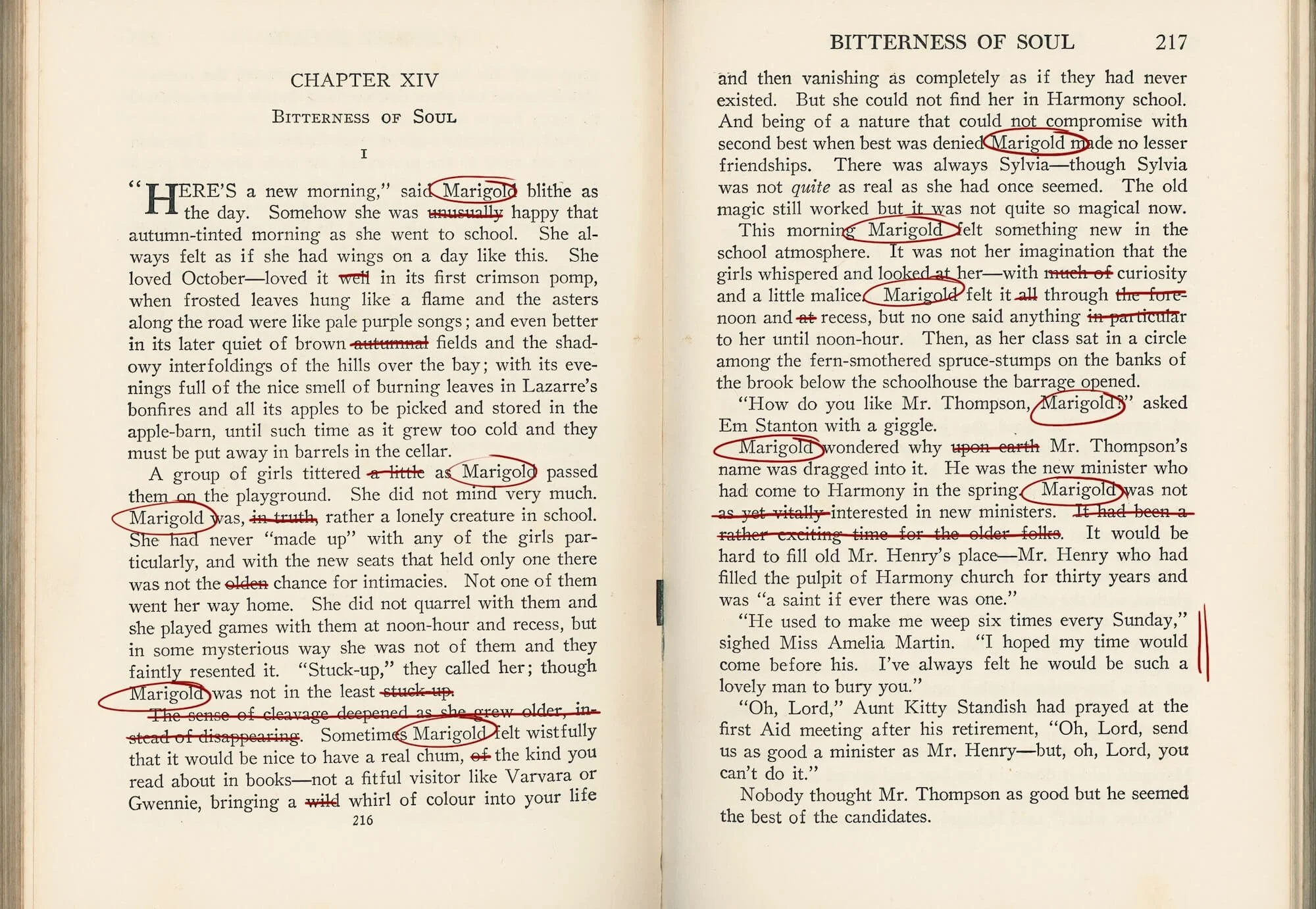
I often hear writers talk about being frustrated by writing “rules” not leaving room for their own creativity. Many writers wonder where these rules even came from, especially because older, but still very popular, literature certainly doesn’t always follow those “rules”.
The reality is that there are no hard and fast “rules” but there are best practices or industry conventions in today’s publishing reality. Truth is, writing trends come and go just like any other fad. You don’t have to dress like everyone else, but if you want to make a certain impression, you need to consider your choices carefully.
So where do these rules of writing come from and are they really so important to follow? Quite often, writers become aware of the rules when they receive feedback about head-hopping or some other writing technique in their novel. But they got that feedback because they were doing things inconsistently or unconsciously in their manuscript and that didn't work. If an author is doing something purposeful and well, they will train you on how to "read" their novel then those rules don't need to be followed (with a big caveat!)
Somewhere along the way, this became shorthand for books must all follow these rules, all the time, and now many readers are trained to read a particular style of writing. In turn, that is what publishers look for and writers try to provide. Publishing is a competitive industry and it can be risky to try something different. For that reason, I often share this type of guidance, but never want it to be seen as a rule. I think sometimes what are actually efforts to help writers avoid common pitfalls are taken as rules because they are shared so readily.
It's a tough conundrum. The books that really stick with me though are the ones that follow their own rules (not necessarily industry fads). So, no you don’t have to follow the rules, but you do have to develop the skills to break them mindfully and that’s where many many writers struggle. The reality is that many writers are not yet skilled enough to pull it off.
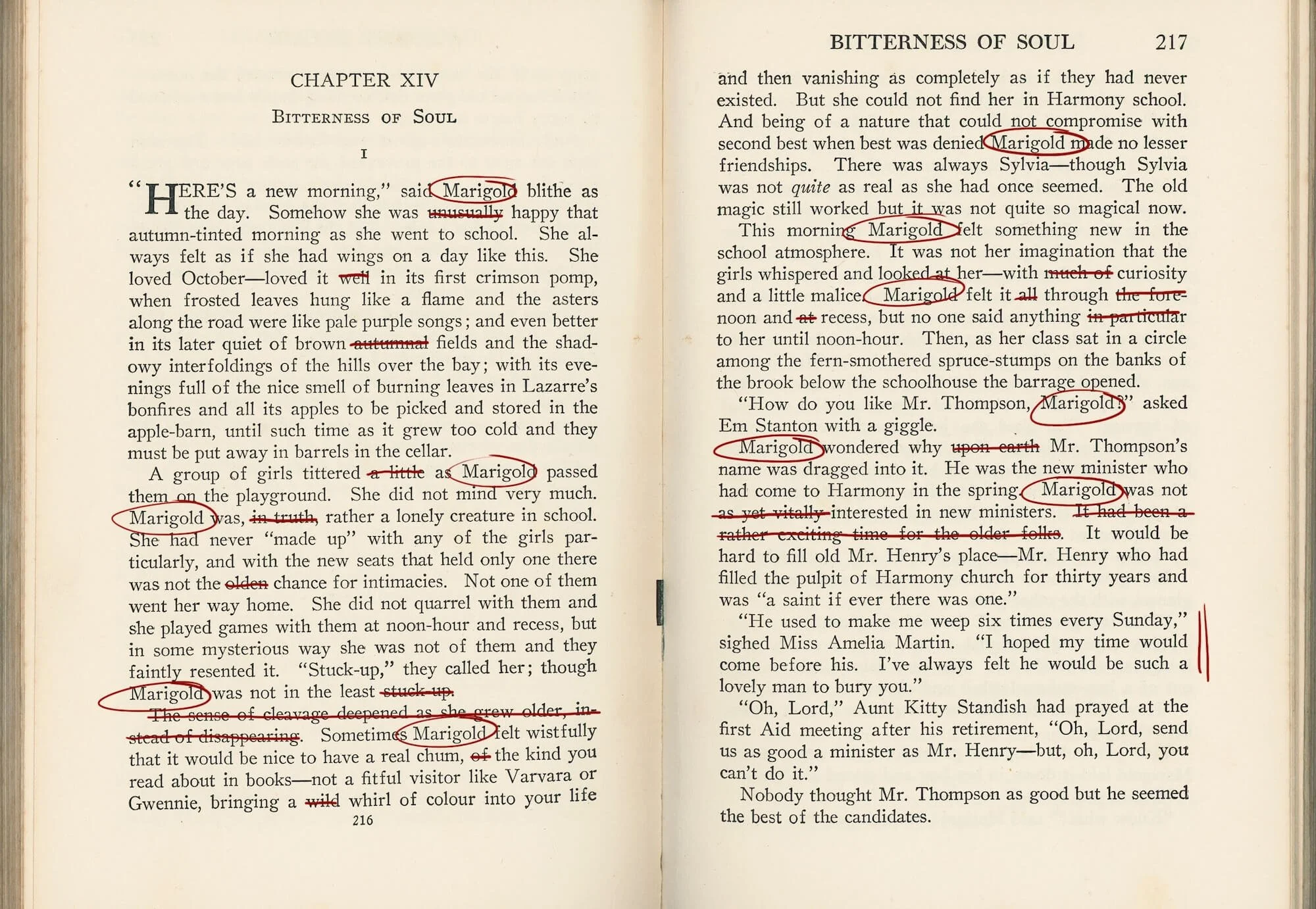
For years I have read and loved the Lane Winslow mystery series by Iona Whishaw. Her books regularly break one of the sacred writing conventions of the past few decades: head-hopping within a scene. Her books are very popular and while I do notice and get slightly annoyed by the head hopping, I bet most readers don’t notice it at all. It’s part of her writing style. She uses it intentionally and consistently, so it is not an error, but a stylistic decision. If her book came across my desk for a developmental edit, I would likely flag it as something to consider. I would note that it works as part of her writing style but that some readers will be bothered by it because it is not commonly done in the current publishing market.
Writing, editing, and publishing are all highly subjective endeavours. If you receive feedback that you are “breaking” a writing rule, make sure whoever provides that feedback is able to explain why they think it is a problem. If they can’t, then it is possible they are sharing their own preferences with you and not defensible feedback.
And yes, this does mean that your editor may not be able to give you a definitive answer as to whether you should be doing something or not. What they should be able to tell you is a) if it is working for your story, and b) what are the implications or consequences of making that choice. Then it will be up to you as the writer to make the final decision.