
Tips on writing historical fiction

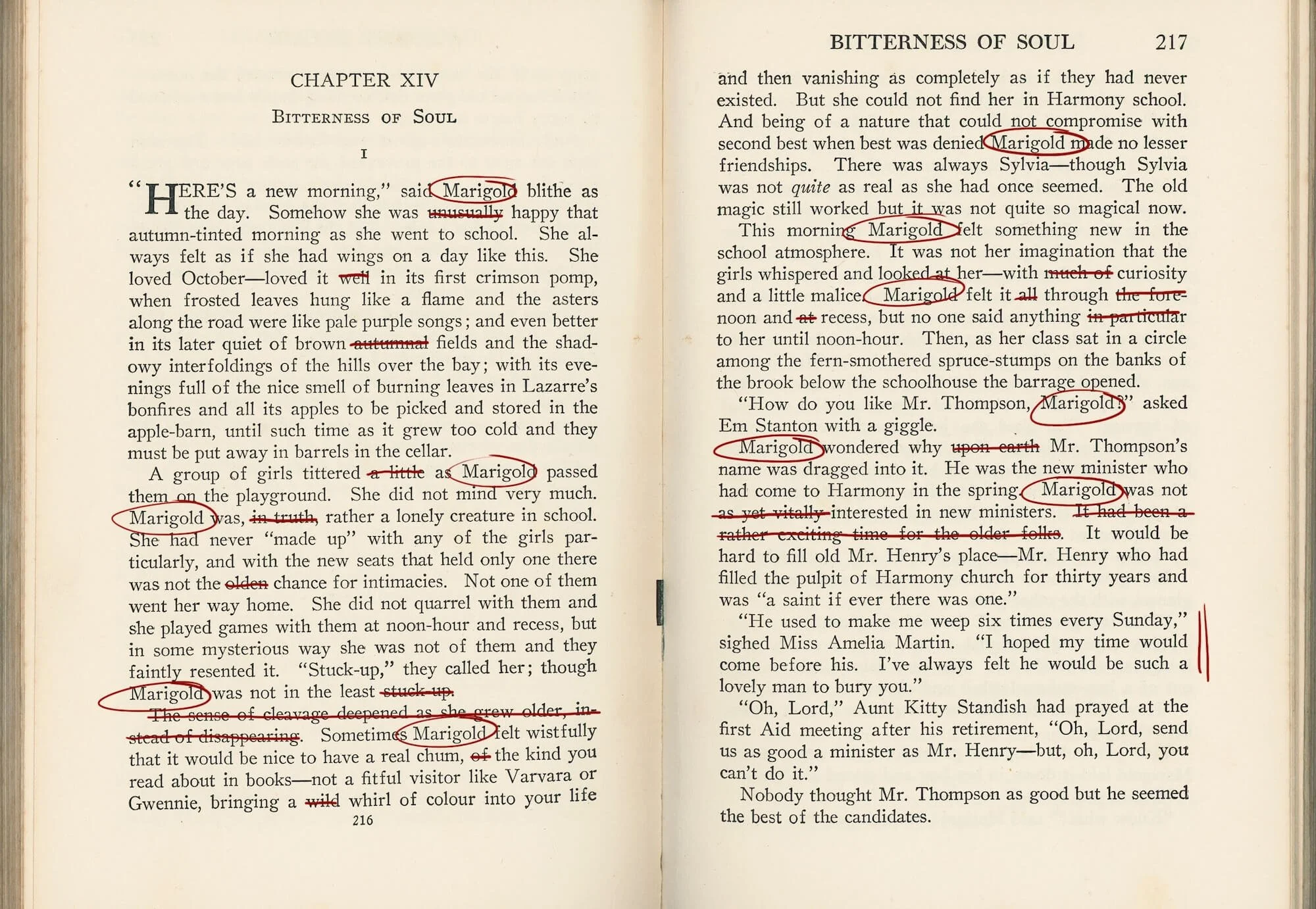
Breaking the rules of writing: my take as a reader and editor of historical fiction
Writing, editing, and publishing are all highly subjective endeavours. If you receive feedback that you are “breaking” a writing rule, make sure whoever provides that feedback is able to explain why they think it is a problem. If they can’t, then it is possible they are sharing their own preferences with you and not defensible feedback.
Balancing summary and scene in historical fiction
Let’s dive into the most basic building blocks of writing: scene and narrative summary. Learn when to use summary versus scene and consider whether historical fiction needs more summary than other genres.
Using literary cross-training to help you write better historical fiction
Literary cross-training as I like to call it, allows you to draw on storytelling techniques from other genres to strengthen your own writing. Get tips on how to read as a way to become a better writer and put that learning into practice.
Don't want to cut all those juicy historical details? Make them matter to your characters
Too many historical details can slow down the pace of a novel. So how do you keep some of your favourite historical elements? Make the historical details matter to your characters.
Book review: Crafting Stories From the Past: A How-To Guide for Writing Historical Fiction
Crafting Stories From the Past: A How-To Guide for Writing Historical Fiction (Paper Lantern Writers, 2025) includes a broad scope of essays on research and writing, while also narrowing in on those topics that are particularly relevant to historical fiction writers. This is not a general “how-to” book that covers all the basic elements of storytelling, rather it discusses elements of storytelling through the lens of making the best use of the history in a story.
8 ways to improve pacing and build tension in historical fiction
One of the best ways to keep readers engaged in a story is to keep the pace moving and tension escalating. Here are eight ways to improve your novel’s pace and build more curiosity-inducing tension into the story.