
Tips on writing historical fiction

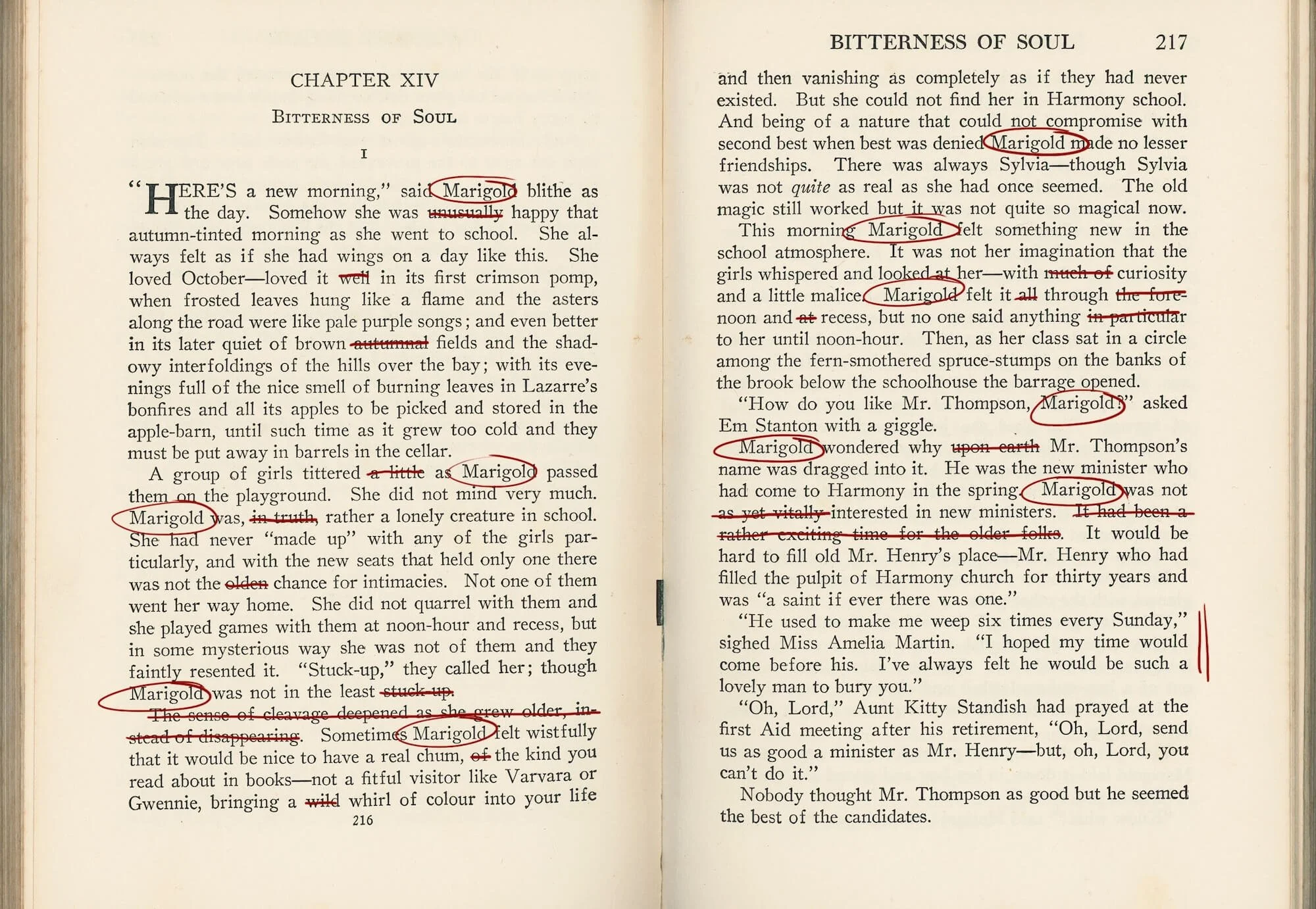
Breaking the rules of writing: my take as a reader and editor of historical fiction
Writing, editing, and publishing are all highly subjective endeavours. If you receive feedback that you are “breaking” a writing rule, make sure whoever provides that feedback is able to explain why they think it is a problem. If they can’t, then it is possible they are sharing their own preferences with you and not defensible feedback.
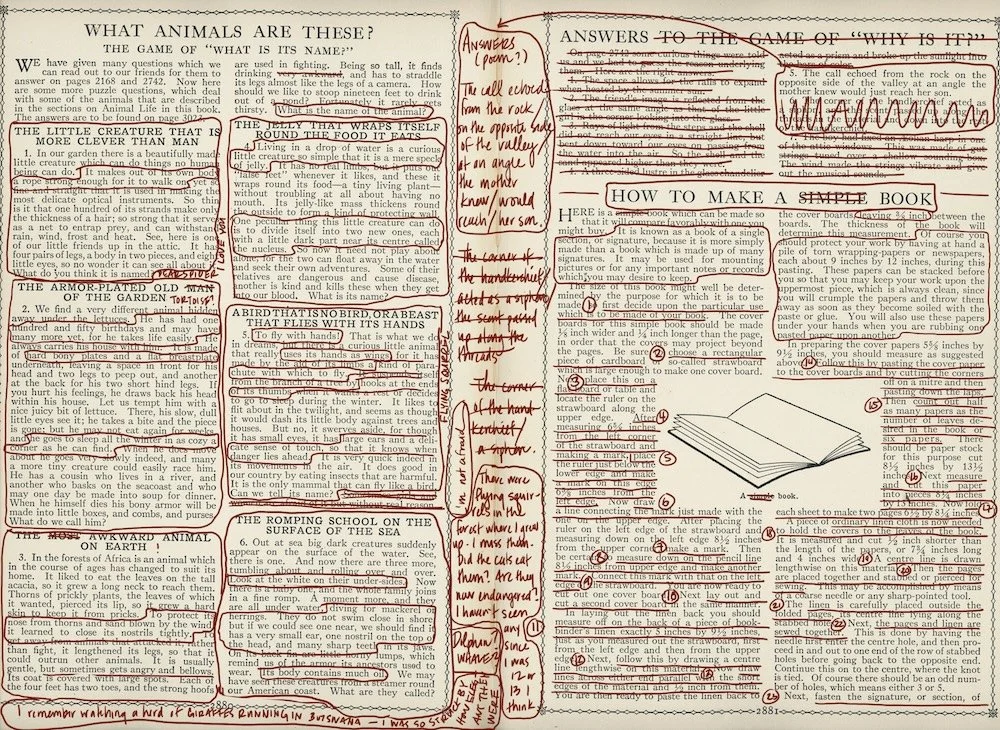
Developmental editing the creative roots way
Ever wonder what it is like to get your historical fiction novel edited? This is an intimate look at my own developmental editing process. My hope is that you will see the developmental edit as a stepping stone in your writing journey. The kind that boosts you up in both writing skill and mindset.
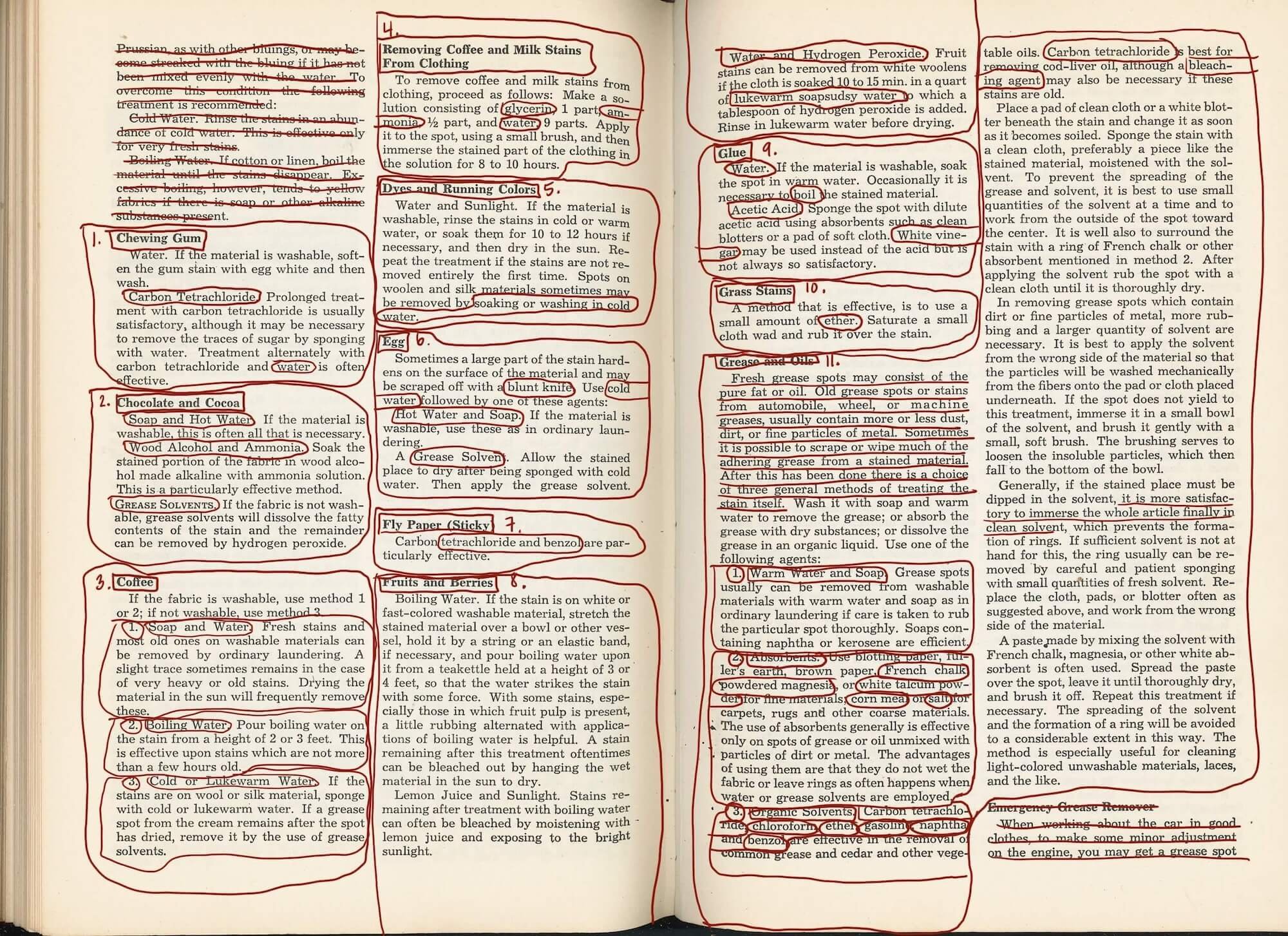
What makes an editor qualified to work on historical fiction?
So how do you know if an editor is qualified to work on your historical fiction manuscript? Start by making sure you are connecting to an editor who knows what your readers want and is comfortable working in that genre.
Should you work with an editor on your family history?
Family history can actually be a tricky thing to write and edit because it can easily straddle the line between narrative non-fiction and fiction. It’s important to work with an editor that understands both story arc and various narrative forms of writing while also knowing something about writing non-fiction for a general audience.
Why should you get feedback on a work in progress?
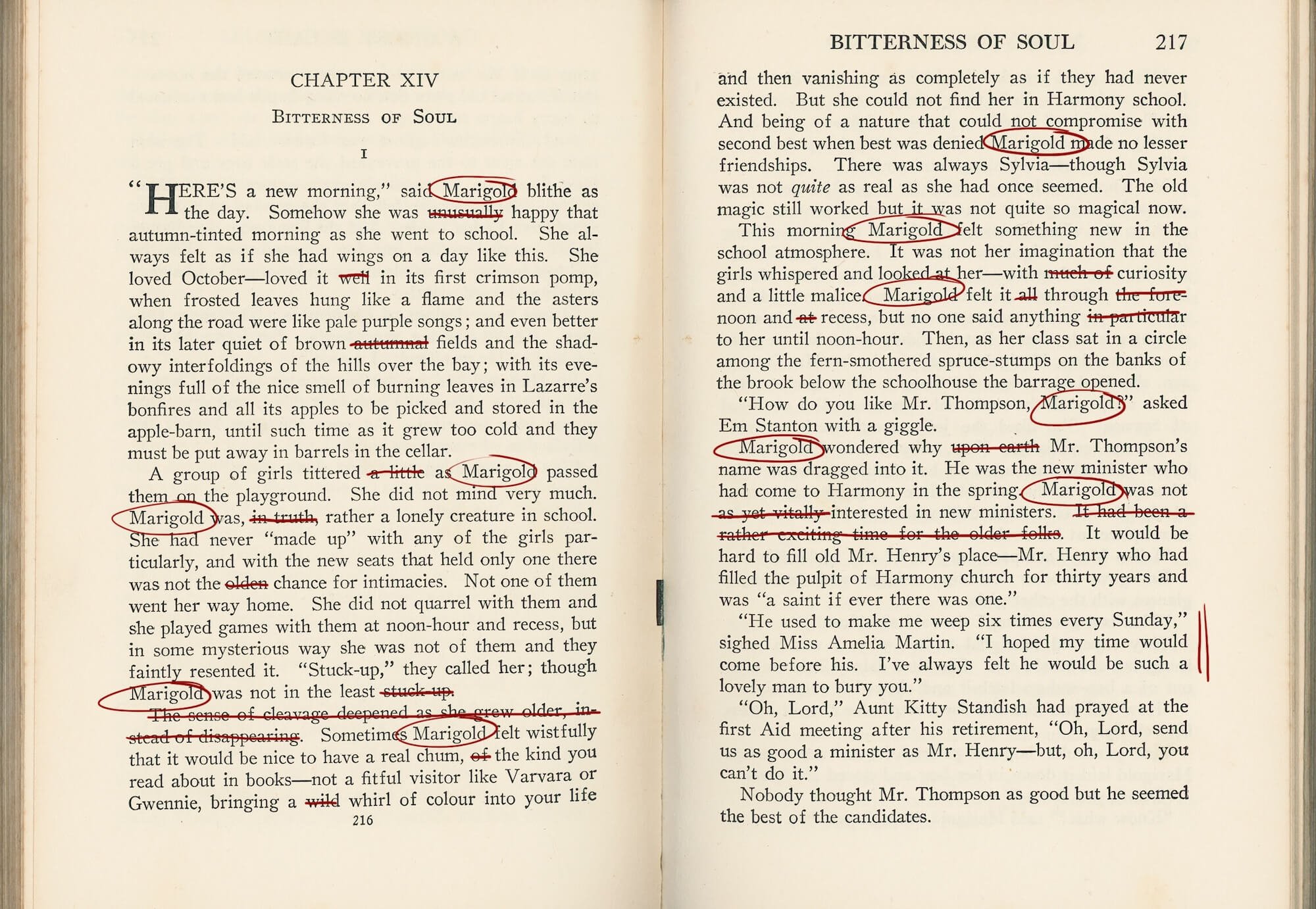
Getting feedback on your writing early not only helps you improve your craft it can also help you identify what is working and what needs improvement.