Using literary cross-training to help you write better historical fiction
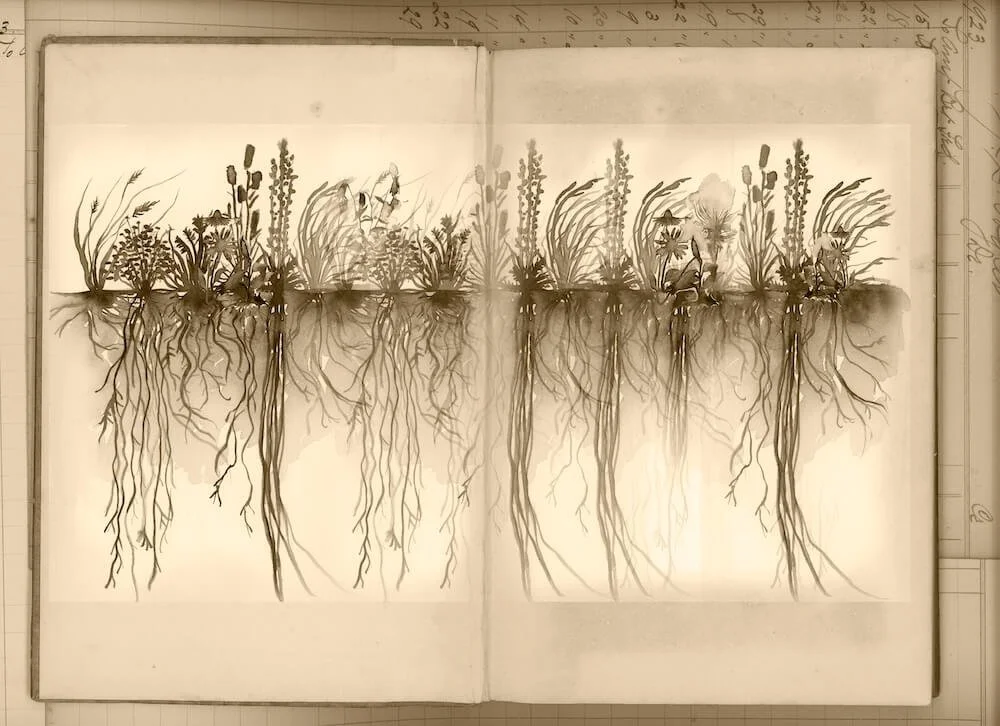
Read like a writer the advice goes. But what does it actually mean to read like a writer? For a long time, I thought it meant I needed to read all the classics and absorb the wisdom they contained. It’s a good start, but of course, writing styles change and evolve so although we can still gain a lot by reading the classics, they won’t help me understand what sorts of things modern readers are expecting.
I have always read widely and that has been a key foundation to building my writing and editing skills. This is especially true for the historical fiction genre because most other genres can become a subgenre of historical. Reading only your favourite genres and authors can lead to a narrow view of the ways in which a story can be told. Literary cross-training as I like to call it, allows you to draw on storytelling techniques from other genres to strengthen your own writing. The recent interest that agents and publishers have shown in historical fiction plus only makes it even more important to read widely and be open to new kinds of writing.
For example, you can learn the craft of pacing and building suspense from mysteries and thrillers. You can learn to create emotional tension and write better sex scenes that won’t have your reader cringing by reading in the romance genre. Reading romance also a great way to learn deep-third point of view as most books in the genre use that POV (although not all!) along with a good dose of interiority.
If you need to work on the writing (language and style) rather than the story, add some literary fiction and poetry to your TBR pile. Although, if you are looking for great metaphors the best ones always seem to be in the fantasy genre. Do you need help adding some descriptive elements to your story? Try reading narrative nonfiction, especially nature writing. Pair that with fantasy and science fiction to understand how all that lovely description can be tied to the story as world-building elements.
Great characters are found in all genres but reading a wide variety of books and styles can make sure you don’t fall into the trap of unconsciously using cookie-cutter characters. The same is true for dialogue but this can be a bit tricky for historical fiction as you need to find that balance between making it feel authentic to the time and being understandable to a modern audience. Contemporary novels often have great examples of witty banter or dialogue that crackles with subtext that you can learn from, just make sure you learn to adapt it to the historical context of your story.
Reading widely is a great first step, but you will improve your writing skills even more if you learn to read like a writer. So, how do you actually learn from what you are reading and put it into practice?
Tips for reading to learn how to write
Read the book more than once, or at least reread sections of it more than once, each time noticing different aspects.
Pay attention to one element of writing at a time when you are first learning to read as a writer. Focus on the aspects of your own writing that you want to improve.
Read a range of books with the same POV, narrative structure, or theme to the one you are writing. It will help you see that there are many ways to write a book and how different choices have different effects on the story and the reader
Read books of varying quality. Great writers are better at hiding the building blocks in their stories and it can take more skill to tease them out. Reading books with poor reviews can give be a great guide on how not to make the same mistakes.
Go to a bookstore or library and ask a bookseller or librarian for help finding books outside your usual genre or authors.
Compare first lines, first chapters, last lines, or chapters in many books of different genres and notice what they have in common or where they differ.
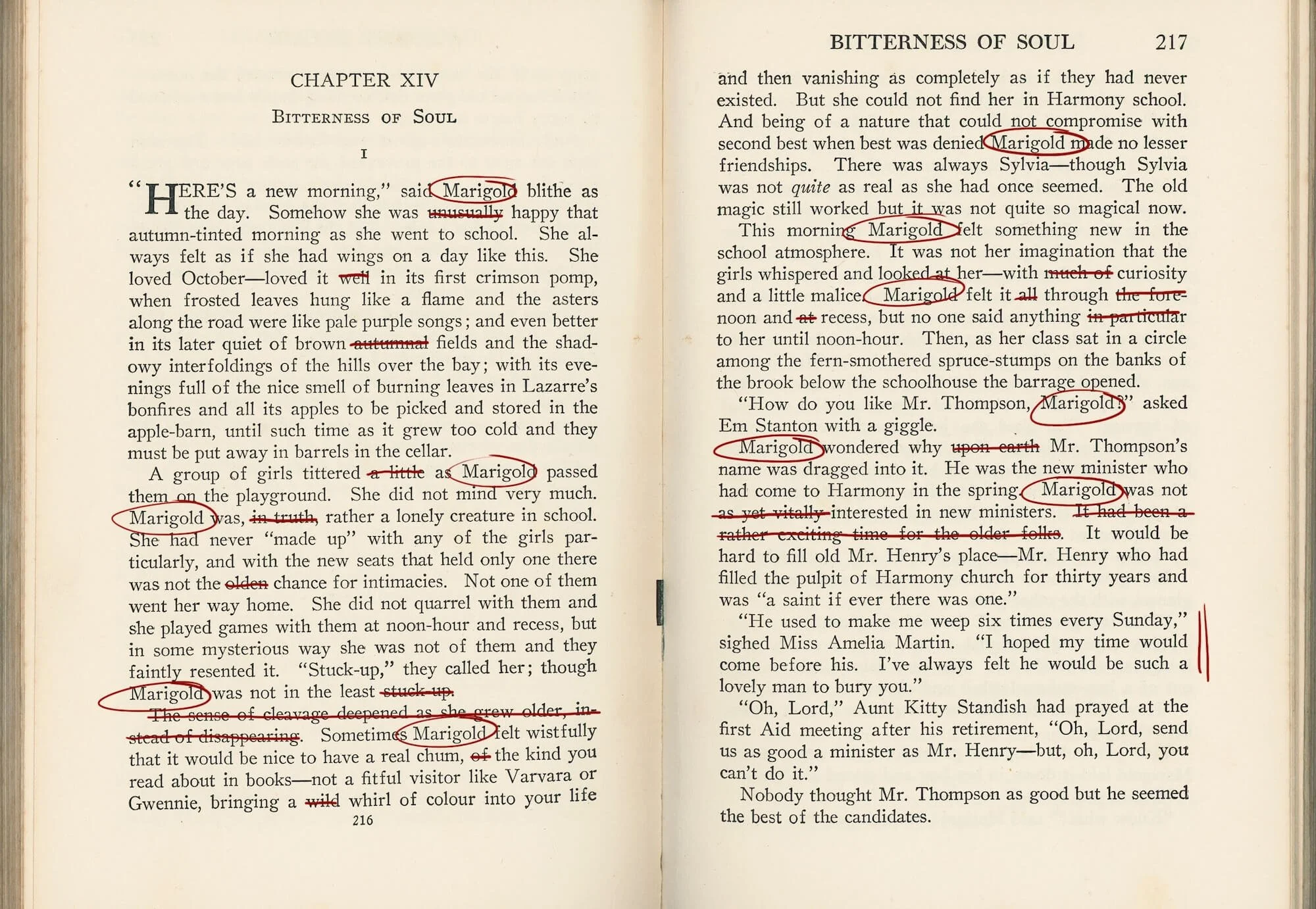
Keep a magic notebook (credit to literary agent Cece Lyra for the name). When you find a great example of a particular technique, jot it down (and where it came from). Eventually, you will have a little library of examples that will help you remember how to use different techniques.
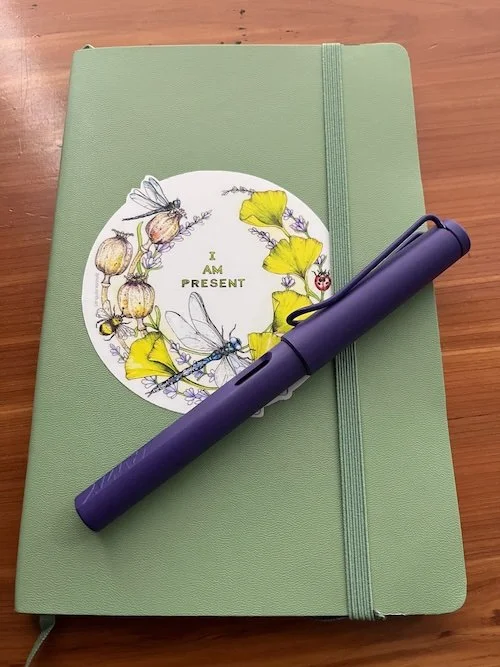
My own magic notebook!
Put the learning into practice
Take a scene from your work-in-progress try writing it in different ways, change the POV, tense, add more interiority, dialogue, description and then take it out again. Notice how it changes the story or reading experience.
Find a scene from a book that showcases some of the writing techniques that you are trying to improve in your own work. Copy the scene only change the details to fit your story. See how the writing style differs from your own. Now go back to your own story and write a fresh scene drawing on some of the same elements. (You’re not trying to copy someone’s work or writing style for your whole book, you’re just learning how changing different aspects of the writing can improve the story).
This can work with structure too. Map out the plot of a novel and note how often there is a disruption from the status quo, how often conflicts arise, and how and when they are resolved. Then compare it to your own story.
Finally, learn to enjoy reading again
Sometimes, in the process of learning to read like a writer, you realize that you can’t help but notice the scaffolding in a novel whereas you used to just zip along enjoying the story. Emma Darwin recently wrote about how to dial your reading sensitivity up and down. You will be able to relax into a novel once again and get swept away by the story, at least most of the time. My kids do sometimes have to remind me not to grouse about writing craft when reading with them. When I do end up reading a book whose writing is just too distracting to ignore, I use it as an opportunity to practice and learn.