Let’s dive into the most basic building blocks of writing: scene and narrative summary.
A scene is simply the dramatizing of an event and generally includes action and emotion in a particular place that feels like it’s happening in real time.
“This way,” said a woman wearing a neatly tailored uniform and a frown to match it.
Harriet took one last look at the ornately carved wooden carriage-gate before following the woman around the building to the staff entrance. Her unease deepened as they entered a dark narrow hallway.
Summary is more like an overview or description of what happens related by the author or narrator.
The big house was encircled by a large stone wall that stood six feet high. There was a double-wide ornately carved wooden carriage-gate set at the front of the house with a long circular drive that looped through the front lawn. Harriet was led past the imposing front doors and around the side to a smaller entrance meant for staff to come and go. The woman led her inside a dark narrow hallway.
At the most basic level, a novel is a series of scenes strung together to create a story with summary acting as connective tissue. Neither one is better than the other, it’s a matter of how they are used that is important. When the balance between the two is off, the pace of the story can drag and reader’s engagement will wane. Too much of either one is cause for concern.
When you are just starting out writing, or even if you have been writing for a while but you are starting a new project, it can be easier to use summary to get the story onto the page. I often write discovery drafts that way, especially when I am still figuring out the plot. It does mean that you have to go back and shift much of that summary into scenes. Sometimes the shifts are subtle but the difference can have a big impact on the reader.
From this:
The young woman hears music that lifts her spirits but also triggers memories she wants to keep buried. She wonders why music is coming from a saloon during the middle of the day.
To this:
Music leaked out from under the saloon doors. It was wild heady music and on any other occasion it would have lifted her spirits to hear it. But now it triggered memories she wished to keep buried. Why were they playing in the middle of the day? Wasn’t everyone supposed to be out working the land or something?
Deciding when to use summary and scene
Now that you know the difference between the two and have some idea of how to shift a summary into a scene. Let’s consider how much of each is suitable for a story and when you should use summary versus putting it into a scene. First, I must issue my usual caveat* here. There is no exact formula that will work for your story. Your writing style will influence the balance of scene and summary as will the nature of the story you are telling.
For the most part, important plot events and emotional moments must be shown in scene or the reader will be left wanting. On the other hand, if you put everything into a scene the pace is going to drag. Daily minutiae and small talk can generally be summarized or glossed over. Things that are best saved for summary include: transitions from one location to another, passage of time, and setting the stage at the beginning of a chapter (also known as a narrative funnel). Occasionally, short snippets of narrative summary can be inserted into the middle of a scene to provide backstory without slowing the pace.
The longer a passage of narrative summary, the harder it must work to capture a reader’s interest. Even the lushest, detail rich passage will bore a reader if it isn’t adding compelling elements to the story. Which do you prefer?
Harriet woke up and dressed in the new uniform that had been delivered last night by one of the other servants. She washed her face using water from a blue bowl. She ate three pieces of crumbly brown bread with butter that she bought at the market. She went down the creaky wooden stairs to the door and walked three miles west dodging carts and horses and young boys. The buildings started out rundown but gradually improved in appearance. The fierce wind seeped through her coat and blew leaves in her face. One woman stopped her to ask for directions; another yelled at her to move out of the way.
OR
Harriet quickly dressed in her new uniform and made her way to the grand house where she was starting a new job.
The first example quickly becomes bogged down with minute details that do not pertain to the story or give deeper insight into the character. Giving a quick summary gets the character from one place to another while saving precious word count for the important scene to come. Now sometimes you do want to slow the pace and include more details. The examples I used at the beginning are both fine passages, depending on where and how they are used in the narrative.
Dialogue can be tricky because many people assume if they put something in dialogue it is automatically a scene. But explaining something using dialogue doesn’t make the cut and is still considered summary. On occasion, you may need to do some explaining in dialogue, just make sure it is well incorporated into the scene and that character emotions and subtext are put to good use.
Does historical fiction need extra narrative summary?
Sometimes, writers think that historical fiction automatically needs more summary to support world building and provide context. There are definitely times where extra summary or explanation is warranted to make the historical context clear. There are also many ways to build the details and context into a scene so that info-dumping doesn’t bog the story down, especially if you make them matter to your character. If you’ve gotten feedback that you have some info-dumping or too much explaining in your manuscript, this is a sign of too much summary.
Build your skills
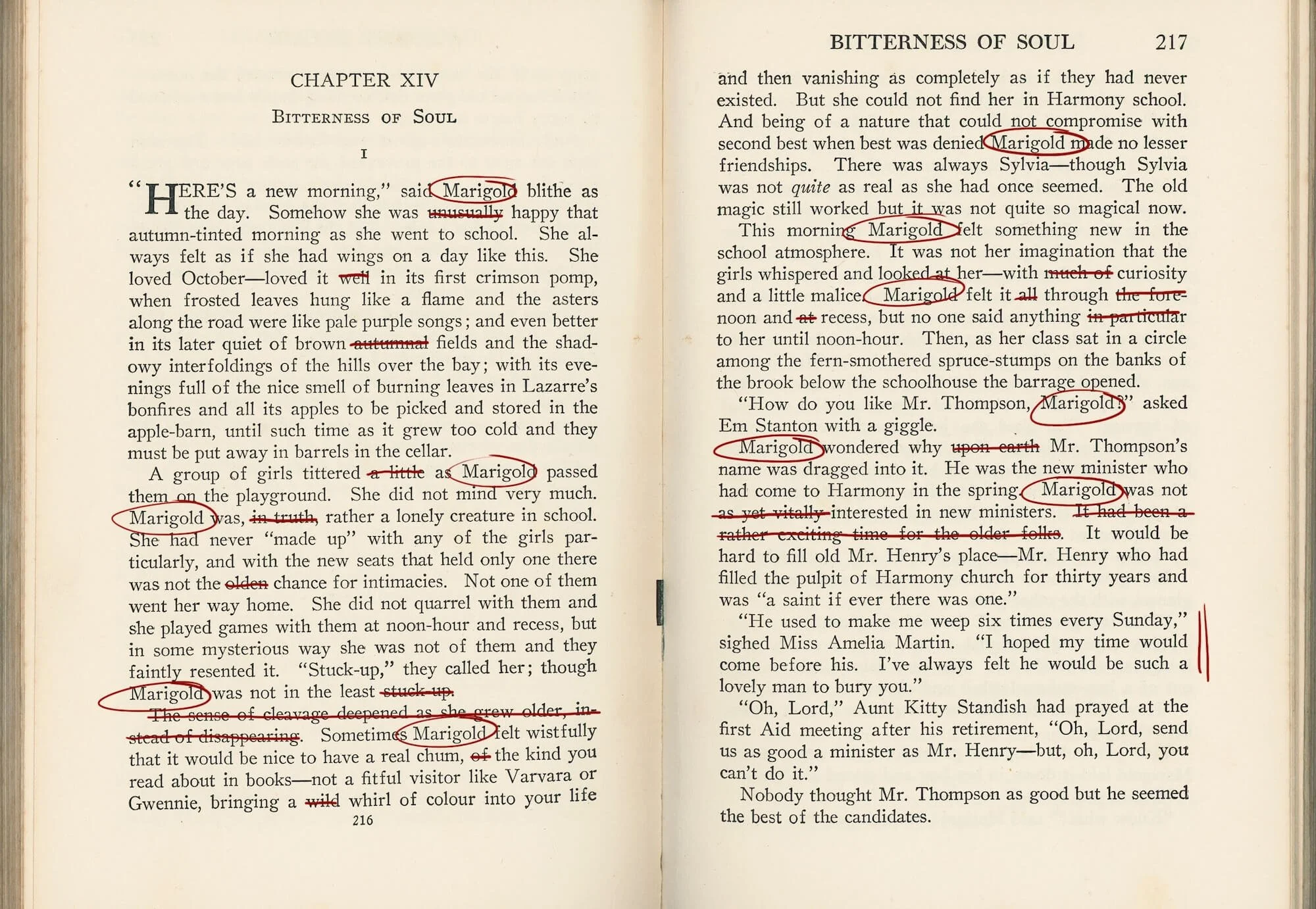
One great way to build your scene versus summary skills is to mark up the pages of a couple of different novels, noting how the authors are balancing scene and summary. Then take one of your own chapters and play around with scene and summary.
*In addition to the usual caveat, there are always exceptions. The North Woods by Daniel Mason, a literary novel is primarily told through dramatic narrative summary. If you want to learn more advanced techniques for writing different kinds of scenes, Sandra Scofield’s The Scene Book is a great place to start.